Native vs Hybrid App: Which Should You Choose for Enterprise

In today’s digital era, mobile apps are essential to business operations. An enterprise app can help businesses streamline processes, improve customer engagement, and enhance productivity. However, choosing the right type of app for your enterprise can be challenging. Native and hybrid apps are the two most popular options, each with benefits and drawbacks. This blog post will explore the differences between native and hybrid apps and help you choose the best option for your enterprise.

The Starting Phase of App Development

Upon engaging a mobile app development company, the initial step they undertake is to assess your business thoroughly. They evaluate various aspects, such as the scale of your business, your intended clientele, and the need to develop the app for multiple devices, among other factors.

Moreover, they factor in your present financial status and the timeline to create the app. After analyzing all the gathered data, they offer recommendations to steer your app development in the right direction. This is a crucial stage before actual development since it safeguards companies from overspending and expending unnecessary resources on app development. Now, let’s understand native apps and hybrid apps.

Native App

Native App Definition and Characteristics

Native apps are mobile apps developed for a specific platform using native programming languages and tools. For instance, iOS native apps are written in Objective-C or Swift, while Android native apps are written in Java or Kotlin. Native apps are designed to take advantage of the device’s specific hardware features and functionalities, such as the camera, accelerometer, and GPS. They are also optimized for performance, providing a faster and smoother user experience compared to other types of mobile apps.

Pros of Native App

The benefits of using native apps for enterprise include:

Improved User Experience

Native apps offer the best user experience, as they are optimized for performance, provide fast and responsive interactions, and offer access to device-specific features, such as push notifications, location-based services, and touch gestures.

Enhanced Security

Native apps are more secure than other types of apps, as they can take advantage of the security features of the device and the platform, such as app sandboxing and encryption.

Better Integration with the Platform

Native apps can leverage the full potential of the platform and its SDK, allowing for better integration with the operating system, services, and hardware.

Cons of Native App

However, there are also some drawbacks to using native apps:

High Development Costs

Native app development requires specialized skills and tools, which can increase the development time and cost.

Limited Cross-Platform Compatibility

Native apps are built for a specific platform, which means that developing a native app for multiple platforms requires creating separate apps for each platform.

Examples of Native Apps

Waze:
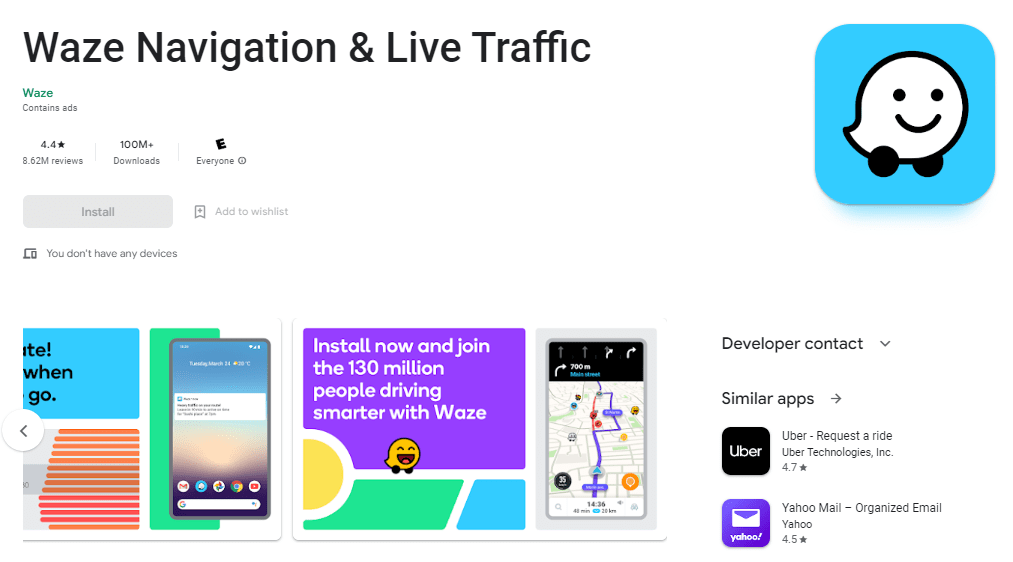
Native App - Waze GPS Navigation App

Waze is a GPS navigation app that has garnered positive reviews from drivers. This exemplary native app operates seamlessly on smartphones and tablets with GPS technology. It notably aids users in navigation by providing step-by-step directions, route details, and user-generated travel times. One notable perk of Waze is that it is entirely free to download and use.

Tesla:

Native App - Tesla App

With Tesla’s innovative app, you can effortlessly manage and monitor your vehicle from the palm of your hand, wherever you are. Whether you’re eager to rev up your engine or simply curious about the status of your car, this app has got you covered.

WhatsApp: 
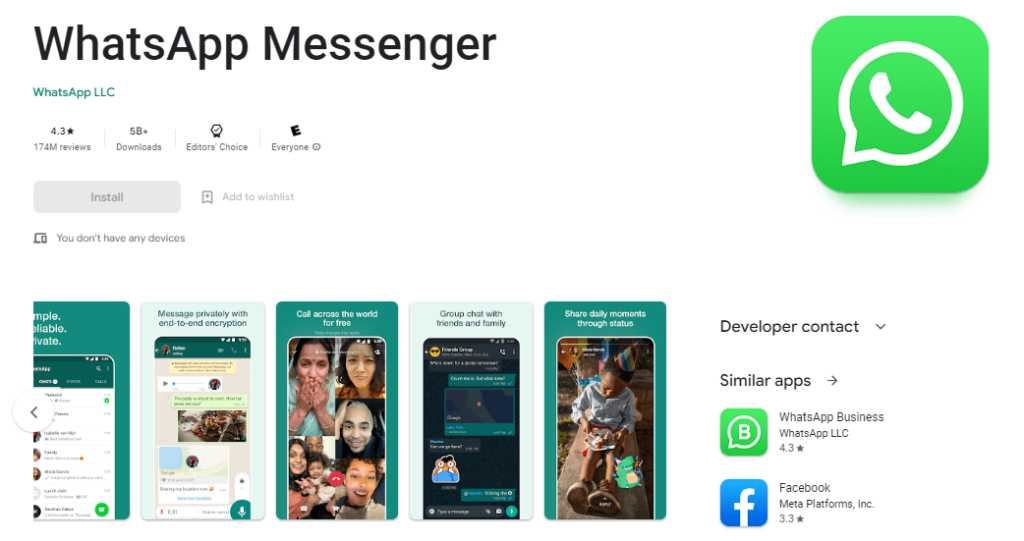
Whatsapp as a Native App example

Well, this app needs no introduction! With over 500 cr+ downloads, WhatsApp is the perfect solution for keeping in touch with friends, family, and colleagues from all over the globe.

Hybrid App

Definition and Characteristics  of Hybrid App

Hybrid apps are a type of mobile app that combines elements of both native and web apps. They are built using a single codebase that can be deployed across multiple platforms, such as iOS, Android, and Windows. Hybrid apps typically use various technologies, including HTML, CSS, JavaScript, and native APIs, to provide users with a seamless and engaging experience.

One of the key characteristics of hybrid apps is their ability to access native device features, such as the camera, contacts, and GPS, while also being able to function offline. This makes hybrid apps a popular choice for businesses looking to develop cross-platform apps quickly and cost-effectively without sacrificing performance or user experience.

Pros of Hybrid App

Like any technology, hybrid apps have their own set of advantages and disadvantages. Some of the pros of hybrid apps include the following:

Reduced Development Time

Eliminating the need to create two separate apps cuts development time in half. If you have an idea ready for the market, cross-platform frameworks are the fastest way to bring your product to life and get it onto Google Play and Apple App Stores. This approach allows the app to be in the hands of every user faster than if you had to code and deploy two separate apps.

Cost Savings

Less development time means fewer billable hours, making hybrid apps cheaper than developing native apps as long as they take fewer hours to create. Flutter, a popular hybrid app development framework, can significantly reduce development time by allowing developers to write one codebase that works across multiple platforms. This not only saves time but also reduces the cost of hiring separate developers for different platforms.

Broader Audience

Budget constraints sometimes lead to app rollouts on one platform before launching on another. This limits the app’s reach as users cannot download it while they wait for it to become available on their phone’s operating system. With hybrid apps, once the app is ready, it can be listed on Android and iOS app stores, making it available to a wider audience.

Easier Maintenance and Bug Fixes

Hybrid apps allow one patch and bug fix to be sent out, resolving issues across all devices. This is easier than solving the problem for iOS first and then solving the same problem a second time for Android.

Scalability

Hybrid apps can scale more quickly since it’s easier to integrate new features. When Waze launched a feature allowing drivers to view the app on their dashboard, it was integrated with Android Auto in August 2018; Apple CarPlay support for the same feature was only offered over a month later to iOS users, which caused frustration. Hybrid apps avoid this issue. 

Cons of Hybrid App

However, there are also some cons to consider, such as:

Running at Snail’s Pace

Native apps are usually considered faster since they are designed using Apple or Google’s programming languages, providing direct access to a phone’s built-in features such as GPS and audio. Although hybrid app programming has improved significantly and no longer lags, some hybrid apps, particularly niche ones, may perform slower than native apps in certain situations.

Testing Ground

Hybrid apps must meet the approval criteria of multiple platforms, not just one. This means the testing process will take longer to iron out coding glitches for all platforms, ensuring the app is as close to perfection as possible. Moreover, developers must follow the Apple and Android app store guidelines, which can be more restrictive when adhering to both.

Catching up with Updates

Whenever Google or Apple releases new software, they provide “Software Development Kits” to instruct developers on updating apps written in their respective languages. This is why it’s important to hire experienced remote developers who can quickly adapt to changes and ensure compatibility, especially with native apps. Hybrid apps, written in a third-party language, can take even longer to update and may result in compatibility issues.

Less Favored to Complexity

If you have a complex app that necessitates high performance or relies heavily on 3D graphics and design, hybrid apps may not be the best choice since they are not as competitive as native apps in this field.

Examples of Hybrid App

BMW App:

BMW

BMW’s mobile development team found creating the iOS version of their vehicle companion app easier. Unfortunately, the Android version lagged in features, and BMW had to catch up to make both app versions similar. They turned to Flutter, Google’s cross-platform framework, to streamline their efforts. By focusing on one app, the development team could implement the same features for all users much faster than if they had to retool both apps separately.

Twitter:

Twitter

Social media giant Twitter is a major reason many businesses have switched to hybrid apps. The platform has nearly 200 million active users every day. The app suffered from performance issues in the past, but after switching to a hybrid app, the team could quickly push through bug fixes, and many were resolved.

NerdWallet:
Money Tracker App

When the team behind NerdWallet wanted to shed their “website-first” image, they needed a market-ready app, and they needed it fast. After encountering difficulties exploring native codebases, the developers used a cross-platform framework to reduce friction and speed up development.

Comparison between Native Apps and Hybrid Apps

User Experience 

Native apps can take full advantage of the native hardware and software features of a device, resulting in a more seamless and intuitive experience. However, hybrid apps have come a long way and can provide a comparable user experience, especially for simpler apps.

Performance 

It is easier and more intuitive to use native apps because they can utilize the native hardware and software features of a device. Nevertheless, hybrid apps have made great strides in recent years and can provide a comparable user experience, especially for simpler apps.

Development Time and Cost

When it comes to development time and cost, hybrid apps are the winner because a single codebase across multiple platforms results in reduced development time and cost. Native apps require separate development for each platform, which leads to higher development costs and longer development times. 

Maintenance and Updates

Hybrid apps have the advantage of updating all platforms with one patch or bug fix, making it easier and more efficient to maintain and update the app. Native apps, on the other hand, require separate updates for each platform, resulting in longer update times and potentially more maintenance issues.

App security

Native apps have an advantage in terms of security because they are built specifically for a single operating system, which means that they can take full advantage of the security features provided by the platform. They also have access to the latest security updates and patches the platform releases, which helps reduce the risk of security breaches.

On the other hand, hybrid apps may have some security risks due to the use of third-party libraries and plugins. These plugins may not be updated regularly, which can lead to vulnerabilities in the app. Moreover, since hybrid apps are built using web technologies, they can be more vulnerable to attacks like cross-site scripting (XSS) and SQL injection attacks.

Conclusion

Choosing between a native or hybrid approach to app development requires careful consideration of every aspect of app development. Both approaches have advantages and disadvantages, and the choice ultimately depends on the specific needs and goals of the project. A thorough evaluation of each option’s pros and cons and consideration of your enterprise’s needs can help you make an informed decision. The examples provided in this blog post can serve as a starting point for evaluating the options. Contact us and make the right choice for your enterprise.


Contact us

Best Ways to Find Android Developers for your Project

You’ve got this amazing idea for a groundbreaking app and are eager to turn it into a reality. Your excitement and determination are at an all-time high, and you’re ready to take the next step by hiring an Android app developer. But how do you separate the real experts from the phonies when you don’t have a technical or programming background? Finding the ideal person for the job can be daunting, but don’t worry; there are ways to do it!

No wonder everyone wants to be part of the Android bandwagon. The Android operating system continues to dominate the app development market and is expected to reach a market share of 87.4% by 2023, according to Statista research. This means that having an Android app will allow you to reach a wider audience.

The global mobile app industry generated $462 billion in 2019 and is projected to reach $936 billion by 2023. However, not all apps are successful, and only a tiny fraction generate revenue due to market saturation and high costs. Hiring top Android developers ensures your app’s success and maximizes its revenue potential. This guide will help you find and hire Android developers for your app development project.

What Makes a Top-Notch Android Developer

To craft apps packed with cutting-edge, powerful features, an Android developer must have a combination of technical and soft skills constantly evolving and improving. Here’s what to look for when hiring an Android developer:

  • Design Aptitude: A developer’s UI and UX skills can make or break an app’s success. Design skills become even more crucial if the developer doesn’t have a designer on their team.
  • Communication Expertise: A developer must communicate effectively with technical and non-technical team members, both verbally and in writing. They should also be able to comprehend instructions and translate your app requirements.
  • Team Player: A developer must be able to work collaboratively with different team members and stakeholders to ensure the success of a design project.
  • Analytical Thinking: A developer needs strong critical thinking skills to write clean and maintainable code.
  • Problem-solving Prowess: A significant part of a developer’s role is solving issues that arise during the app development process. They must identify problems and have the skills to fix them.

Top Android Developers: How To Find & Hire them

Essential Skills To Look For

Creating mobile apps demands specialized abilities, expertise, and knowledge. Developers need to analyze the business requirements, possess technical skills, and have the capacity to build an app that can produce income by addressing specific business problems.

When hiring Android developers for your app project, it’s important to consider the following essential developer skills:

Proficiency in programming languages 

Java and Kotlin are the main programming languages used for Android app development. Developers must understand these two programming languages, including syntax, fundamental concepts, frameworks, multithreading and concurrency, functional programming, and generics.

Knowledge of SDLC and business processes 

Developers must have an understanding of the motivations behind your business choices. This will enable them to pinpoint essential elements, streamline the development process, and deliver a mobile app solution that addresses your business requirements. In other words, they need to know what makes your business tick to deliver a tailor-made solution.

Android SDK & Android Studio 

The Android SDK, or Software Development Kit, is a pre-written code streamlining the process of creating Android apps. It’s a must-have for all Android developers. Android Studio, an Integrated Development Environment, is also essential for developers as it supports a wide range of Android SDKs.

API Knowledge 

APIs, or Application Programming Interfaces, allow applications to connect to third-party services or apps. For instance, you can utilize Google APIs to find your users, allow them to search for nearby places, or include maps within your app.

The Importance of Databases 

Apps are like data vaults, needing to interact with databases beyond the smartphone’s borders. Firebase is the current go-to solution for storing data in the cloud and making it accessible across devices. Developers need to be familiar with SQLite in case the app needs to function offline.

The Fundamentals of Material Design 

In the past, Google’s app designs lacked consistency, but that has changed with the introduction of Material Design, a set of design guidelines that serve as the foundation for UI/UX design. Providing a cohesive and visually appealing look across Android apps is vital.

Identify Your Needs 

Getting started with mobile app development requires a clear understanding of the project requirements. There are many different skills required to develop a successful app, so it’s essential to identify which elements are most crucial to your project. This will help you narrow your search for developers specializing in specific technologies. When defining your requirements, consider the following to find how much the dedicated devs have an understanding and capability of:

  • App security
  • Ability to communicate with a backend system
  • A passion for creating standout designs and meaningful micro-interactions.
  • Expertise in audio/video streaming
  • Experience with integrating external IoT hardware

Take A Thorough Interview

Preparation is key to finding the right Android developer for your app project. Consider bringing in a trusted developer to verify the candidate’s skills during the interview.

  • Conduct a background check on potential candidates, including their experience and work history.
  • Prepare a list of questions to gain insight into their relevant skills and experience.
  • Ask problem-solving questions that relate to your current or future app development process.
  • Ask about challenges faced in past projects to gauge their problem-solving ability.

Checking the Portfolio: A Must-Do

Before hiring an Android developer, it’s always a good practice to look at their portfolio to assess their skills and expertise. Here are a few things to keep in mind:

  • Size & Functionality of Apps: The size of the app and its functionalities give an idea of the complexity and scale of the projects the developer has accomplished.
  • Stability and Implementation: The stability and implementation of the apps indicate the developer’s attention to detail and quality assurance.
  • Number of Downloads: The number of downloads the app has received shows the popularity and demand for the app and reflects the developer’s marketing skills.

By evaluating the developer’s portfolio, you can better understand their skills and experience.

The Right Tech Stack For Android App Development

Choosing the right technology stack is crucial for any mobile app development process. With Android app development, there are often heated debates on which framework or approach best suits your project. To make the right choice, consider the following:

  • Understand the app’s features and future enhancements that will be added.
  • Decide between native or cross-platform app development.
  • The price depends on the app’s complexity, features, and design, but not on the programming language.

Making an informed decision on the right technology stack will help ensure your app is developed cost-effectively and efficiently.

The technology stack for mobile apps on the Android platform consists of various software tools, languages, and frameworks. We need a device that can run the Android operating system and a PC running either Linux or Windows to launch Android apps.

Integrated Development Environment (IDE) 

An Integrated Development Environment (IDE) is a “sandbox” for developing apps in the tech stack for mobile app development. Android Studio is the most popular IDE used in Android development, which provides developers with various tools and features.

Programming Language 

Three primary programming languages are used for developing Android apps: Java, Kotlin, and Dart.

Java 

Java is one of the most popular programming languages for Android apps because of its versatility and ease of use.

Kotlin

Kotlin is a new programming language used for Android development. It is fully interoperable with Java so that developers can use both Kotlin and Java code in one project. Kotlin is becoming the preferred language for Android projects and is expected to grow in popularity in 2023.

Dart 

Dart is a programming language used to develop the Flutter UI software development kit created by Google for cross-platform development. Flutter is used for developing different apps for Android, iOS, Linux, Windows, macOS, and Google Fuchsia platforms.

Android UI Tools 

Android offers various ways to develop User Interfaces (UI) for your applications. There are two ways to create UI for your apps: using pre-built tools provided by Android or Jetpack Compose.

Android Pre-built Tools 

These tools are pre-built standard UI tools provided by Android that can be used by installing the Android SDK package. To create a UI, developers use XML files to define the app’s appearance. The SDK has numerous UI classes, including TextView, Button, and ConstraintLayout, which can be used in the XML file to describe the UI of the app.

Android Jetpack Compose 

Jetpack Compose is a new UI library introduced by Google that uses a declarative approach to develop native UI. Unlike XML, Compose allows developers to declare UI elements in the code.

To use Compose, developers must add dependencies, enable compose build feature, and specify the Kotlin compiler extension version in the build.gradle file. After these steps, developers can use Jetpack Compose in their projects.

Material Design 

Developers can integrate the Material Design library with pre-built UI tools or Jetpack Compose to use modern UI components. Material Design is a system created by Google to provide a consistent experience across all platforms. Developers can learn about Material Design and integrate it into their projects to improve the UI of their apps.

Developing a mobile app involves more than just UI tools. It also requires network, storage, and dependency injection technologies to manage dependencies in project code. Understanding these mobile app technology stack elements is essential to develop high-quality apps. Choose android developers wisely so they can convey all the necessary technical information in easily digestible form for you.

Where To Find Android Developers

Suppose you want to hire an Android developer. In that case, there are three main options:

  • Hiring an in-house employee
  • Working with a freelance developer
  • Partnering with an external mobile app development company

The choice you make depends on several factors.

Considerations When Hiring

When deciding which option to choose, consider your budget, deadline, technical background, and how important the quality of your app is. Additionally, consider whether you want to manage the Android team yourself or prefer someone else to handle it.

In-House and Freelance Developers

In-house employees and freelance developers offer benefits such as 

  • Total control over the development process, 
  • Building an internal knowledge base, and 
  • A better understanding of the business context. 

However, the recruitment process can be expensive, and managing the team can be a burden. Access to good specialists can also be restricted.

Mobile App Development Companies 

Mobile app development companies can 

  • provide excellent assistance in defining system requirements, 
  • have proven experience in software development, 
  • offer a flexible team-assembly process,
  • Resource management is easy and flexible, and 
  • There is transparency and predictability regarding costs. 

However, technical knowledge remains outside your company, and the cost of app development is typically higher. No universal solution will work for everyone, but by weighing the pros and cons of each option and considering your needs and circumstances, you can choose the one that is best for you.

Wrapping up

To build a successful Android app, selecting the right developer is crucial. While opting for a cheaper option might be tempting, it may not provide the best results. Thus, assess the experience of potential developers to ensure that you get the best value for your investment.Lastly, the success of the project largely depends on the skills of the developer you hire. You should ensure they have technical knowledge, communication skills, teamwork attitude, and the ability to think critically and solve problems. Ultimately, you should choose the best candidate who meets your needs or just contact us right away to talk to our growth strategists and make your vision realize.

Frequently Asked Questions When Finding Android Developers

What should I look for when hiring an Android developer?

When hiring an Android developer, look for someone who has a combination of technical and soft skills, including design aptitude, communication expertise, team player attitude, analytical thinking, and problem-solving prowess. In addition, ensure that the developer has proficiency in programming languages, knowledge of SDLC and business processes, experience with Android SDK & Android Studio, API knowledge, an understanding of databases, and familiarity with the fundamentals of Material Design.

How do I identify my needs when hiring an Android developer?

To identify your needs when hiring an Android developer, consider your project requirements and the specific skills required to develop a successful app. It’s essential to determine which elements are most crucial to your project to help you narrow your search for developers specializing in specific technologies. When defining your requirements, consider the app security, ability to communicate with a backend system, a passion for creating standout designs and meaningful micro-interactions, expertise in audio/video streaming, and experience with integrating external IoT hardware.

How can I find top-notch Android developers?

To find top-notch Android developers, consider looking at professional networks and job boards like LinkedIn, Indeed, and Glassdoor. Additionally, you can ask for referrals from your colleagues or industry peers, attend meetups or conferences focused on app development, or work with a specialized app development agency. It’s essential to screen candidates thoroughly and check their portfolios to ensure they have the skills and experience required for your app development project.

What are the essential skills to look for when hiring an Android developer?

The essential skills to look for when hiring an Android developer include proficiency in programming languages like Java and Kotlin, knowledge of SDLC and business processes, familiarity with Android SDK & Android Studio, API knowledge, understanding of databases, and familiarity with the fundamentals of Material Design.

What should I ask an Android developer during an interview?

During an interview with an Android developer, you should ask about their relevant skills and experience, challenges faced in past projects to gauge their problem-solving ability, and problem-solving questions that relate to your current or future app development process. Additionally, consider conducting a background check on potential candidates, including their experience and work history, and prepare a list of questions to gain insight into their relevant skills and experience. You can also consider bringing in a trusted developer to verify the candidate’s skills during the interview.

Avoid These Mistakes When Hiring Remote Developers

Hiring a remote developer is like getting swept up in a whirlwind romance – getting caught up in the excitement of working with someone on a contract basis is easy. You might be thinking about the heaps of cash you could save by hiring someone overseas rather than at home. Or, maybe the idea of having someone on your team who can work from anywhere in the world has hooked you. But hold your horses! Before you start scouring the corners of the earth for web developers, there are a few things you need to take care of if you want to make sure your relationship with your new employee lasts.

Companies worldwide have noticed that flexibility and work-life balance are vital for business growth. The technology market is on the rise. The IT consulting and implementation services market generated a total of 57.02 billion U.S. dollars in 2021. Approximately 82.44 billion U.S. dollars in revenue is expected to be generated by 2027, according to Statista’s Technology Market Outlook. It sounds promising; however, bringing on board an international remote worker can be tricky, as there may be many challenges to overcome to find the best person for the job. Here are a few challenges that every manager has faced while hiring remote developers.

The Challenges of Hiring Remote Software Developers

Hiring remote developers can offer many advantages, such as flexibility, access to a broader pool of talent, and cost savings. But everything comes with its own set of unique challenges. Below are the top challenges organizations face when hiring remote developers:

Finding The Right Fit for Your Project

  • With remote hiring, it can be challenging to gauge a candidate’s personality, work ethic, and communication skills compared to traditional hiring methods.
  • It’s important to ensure that the developer from a top mobile app development company has the necessary skills and experience for the job and fits the company culture.

Lack of Face-to-face Interaction with the Team

  • No face-to-face interaction can lead to feelings of isolation and disconnection from the team. And you may not establish a bond with remote hires.
  • It is also difficult to provide feedback and guidance without the ability to observe the employee’s work in person.

Trust & Accountability Issues in Team

  1. Remote work relies heavily on trust and accountability. Managers may have a hard time trusting that their remote hires are working as expected, especially if they are located in different time zones or have irregular working hours.
  2. Remote hires may also feel a lack of accountability if they do not have a manager physically present to oversee their work.

Communication Barriers Between Managers and Developers

  • Communication issues may arise when working with remote hires due to potential language barriers, cultural differences, and differing communication styles.
  • Remote hires may also feel disconnected from the team if communication is not clear and consistent.

Managing Time Zone Differences for Developers

  • Time zone differences can make coordinating schedules challenging and lead to delays in communication and project completion.
  • Remote hires may need to work outside of traditional working hours to accommodate different time zones, which can lead to issues with work-life balance.

8 Crucial Mistakes and Conflicts While Hiring Remote Developers

We have listed down major mistakes which you can avoid while hiring remote developers for your project.

Hiring Software Developer Based On Comfort & First Impressions

Due to the 2020 pandemic, companies are now forced to hire remote developers and adapt to the remote working lifestyle. But don’t be fooled by a candidate’s fancy degree or impressive-looking CV. These things don’t always reflect their true abilities, and relying solely on them can be a big mistake when hiring remote programmers. 

So, what should you do instead? Well, for starters, don’t be afraid to put candidates to the test. Ask for examples of their work and put them through a rigorous interview process. This will help you better understand who they are, how they work, and whether they fit your team.

Another common mistake is rushing into an interview without doing your due diligence. Make sure you have the right ask the right questions to evaluate their ability to produce quality work and meet deadlines. It’s also important to understand their work habits and communication skills. 

And finally, consider offering a paid trial period rather than a long-term contract. This will allow you to see if they’re genuinely committed to the job and can deliver the results. So do your homework and find the right fit for your team.

Not Conducting A Proper Evaluation on Developers

When it comes to hiring developers, credentials aren’t everything. You need to put your candidates to the test and see what they’re really made of. But here’s the thing: not all tryouts are created equal. It’s important to balance challenging your candidates and ensuring the test is relevant to the job.

And don’t forget; that top-notch developers are in high demand, so they won’t waste their time on irrelevant or overly long tests. So, make sure your tryouts are efficient and respect their time.

While finding the most qualified candidate, you don’t want to discourage or turn off potential hires. By showing that you value their time and expertise, you’ll make your company more attractive to top talent. 

The Lack Of Preparation For Remote Work

Don’t forget to prepare your remote employees for success! Yes, just because they’re skilled professionals doesn’t mean they’re automatically equipped to handle remote work. Employers must ensure employees have the right environment to be productive. As an employer, you can set your remote employees up for success by providing them with a well-equipped workspace and access to collaboration and communication tools.

Consider giving your remote employees a budget for office equipment, like a monitor, Wi-Fi, and noise-canceling headphones, to help them stay focused and productive. Coworking spaces are also an excellent option for remote workers who need a professional environment to work in. Also, ensure your remote employees have a reliable internet connection with sufficient speed to meet their work needs. These steps will set your remote employees up for success and help your business thrive.

Provide No Support For New Remote Software Developers To Adjust

No support to new remote software developers

Managing a remote team involves more than just technology and operations – leadership plays a big role too. When it comes to helping new remote employees adjust, there are a few things you can do to help them acclimate to your team more quickly:

Firstly, offer time management tips. New employees tend to say yes to everything and may struggle to prioritize tasks or manage their time efficiently. Help them by providing time management tips, including training and resources they can review independently. When it comes to managing an offshore IT team, providing time management tips is crucial, especially for new employees who may struggle to prioritize tasks or manage their time efficiently while working remotely.

Additionally, consider assigning them an experienced manager who can guide managing their workload, setting goals and expectations, and adapting to the remote work environment. With a bit of support and guidance, new remote employees can become valuable members of your team in no time!

Micromanaging Software Developers

Micro managing work of remote developers

Refrain from assuming that all remote developers are happy being micromanaged. Remote employees have the exact needs of any other worker, such as recognition and support. Hiring remote developers may not be worth the savings or convenience without these things. So, balancing giving them independence and offering support and appreciation is crucial.

Cultural Differences Causing Communication Problems

Different cultures may cause the problem with remote work culture

Culture can significantly impact how people communicate, which is often overlooked. Different countries have their communication styles, which can lead to difficulties in remote teams understanding each other. For example, Americans tend to be more direct, while Spanish speakers prefer using hints. Brazilians ask questions with multiple implied meanings, and Germans prefer speaking in short bursts.

Hiring remote developers is important for the right reasons to avoid making the same mistakes as others, not just for convenience or cost-saving. You should also remember that remote developers have limits and can’t work around the clock. Additionally, even if they understand English, they may still have trouble communicating if it’s not their native language.

Hiring remote developers can be challenging, but you can build productive and profitable relationships by recognizing cultural differences and respecting your team’s humanity.

Meetings & Schedule Conflicts

Meeting schedule can conflict with remote working

It’s easy to make assumptions about someone’s availability when you can’t physically see them, but beware of jumping to conclusions.

Here are a few things to keep in mind:

  • Just because it’s convenient for you, don’t assume someone will be available at a particular time.
  • Different teams, projects, and cultures may have different expectations of availability, so don’t assume everyone shares the same schedule.
  • Remember that not everyone works the same hours as you do, especially when you’re in different time zones.
  • Finally, no one is available 24/7, so don’t assume that you can contact them at any time of the day or night.

Remember these tips, and you’ll avoid making unnecessary assumptions about your remote team’s availability. After all, it’s better to ask and confirm someone’s availability than to assume and risk creating misunderstandings or frustration.

Inability to Improve Remote Hiring Practices

Just like fashion, remote hiring practices can go out of style. Don’t get stuck in the past – stay up to date with the latest trends! Remote work constantly evolves, so it’s important to watch the latest developments and adjust your hiring practices accordingly. As the world changes, so do the needs and expectations of remote workers. By staying flexible and open-minded, you’ll be able to attract and retain top talent in the ever-changing landscape of remote work. So don’t be afraid to switch things up and try new approaches – your remote team will thank you for it!

Example Of Successful Remote Hiring

The case of Know your Customer. An Australian company that offered every service/goods provider across numerous professions the ability to review their clients on different parameters. Such as how they supported the whole procedure, how their behavior was, and how prompt they were about the payment after the job was well done. This company needed to launch its app and soon turned to ultroNeous to achieve its business goals. By hiring remote developers, they built their MVP app using Flutter and launched it in just 100 days.

That’s the takeaway

In a nutshell, hiring remote developers can be a smart move for your team, but it’s important to provide them with the right resources and support to ensure their success. If you’re interested in hiring remote developers and need help finding the right candidates, don’t hesitate to contact us for assistance. We specialize in connecting businesses with top-tier remote developers who have the skills and experience needed to take your team to the next level. So why wait? Reach out to us today and let us help you find your next remote team member, contact us or drop an email at hello@ultroneous.com now!

Frequently Asked Questions For Remote Hiring (FAQs)

What are the advantages of hiring remote developers?

Remote hiring can offer many benefits, including access to a wider pool of talent, cost savings, and flexibility. Remote workers can work from anywhere in the world, eliminating geographical limitations, and can provide various skill sets to your company. Moreover, remote workers are generally more productive, have higher job satisfaction, and lower turnover rates.

What are the challenges of hiring remote developers?

There are several challenges associated with hiring remote developers, including difficulty in finding the right fit for your project, lack of face-to-face interaction with the team, trust and accountability issues, communication barriers, and managing time zone differences. All these factors can make remote hiring a bit more complicated than traditional hiring.

How can I overcome the communication barriers while working with remote developers?

Clear and consistent communication is essential when working with remote developers. Some strategies to overcome communication barriers include establishing regular check-ins with remote employees, ensuring that communication channels are open, providing written guidelines on communication expectations, and using video conferencing and project management tools.

What are the mistakes to avoid while hiring remote developers?

Some of the major mistakes to avoid while hiring remote developers include hiring based on comfort and first impressions, not conducting a proper evaluation, and not preparing remote workers for success. Additionally, rushing the interview process and not asking relevant questions can also lead to problems down the road.

How can I ensure that remote developers are productive and committed to the job?

To ensure that remote developers are productive and committed to the job, it is essential to establish clear expectations from the outset. Provide written guidelines on work schedules, communication, and project timelines. Also, ensure that remote employees have the necessary equipment and resources to work effectively, and consider offering a paid trial period to gauge their commitment to the job. Finally, make sure to check in regularly with remote employees to ensure that they are on track and engaged in their work.

Best Ways to Find Flutter Developers for your Project

Finding the right Flutter developers is crucial for the success of your project – it’s like finding the missing puzzle piece. The right developer can make all the difference in bringing your vision to life and helping your project reach new heights. In this blog, we’ll give you the inside scoop on how to find and hire excellent and highly collaborative Flutter developers. We’ll be covering everything from networking to hiring agencies. So buckle up because we’re about to take you on a wild ride to Flutter developer heaven!

How Is Flutter A Promising Choice For You?

Flutter has taken the app development world by storm since its inception in 2017 by Google. According to Statista, In 2021, 42 %of software developers used Flutter. On the whole, roughly one-third of mobile developers use cross-platform technologies or frameworks; the rest use native tools. If you’re looking to hire Flutter developers, you’ll be able to launch your cross-platform apps instantly with just one codebase that can be used across all platforms. This not only saves you time but also money.

Flutter developers are experts in creating cross-platform apps with the look and feel of native apps. This makes it the perfect choice for startups and established companies, as it allows for rapid evaluation of ideas and reduced time-to-market while also providing a cost-efficient solution.

As an open-source UI SDK, Flutter is explicitly designed for cross-platform development. Its layered architecture speeds up the rendering process and makes development a breeze.

Regarding design, Flutter is the MVP of the game, providing a smooth and user-friendly experience for your users. This will keep them returning for more, ensuring that your app is a hit.

So, if you’re considering hiring a Flutter app developer, ensure you understand their areas of expertise so you can properly evaluate their skills during the interview and test tasks. In this way, you’ll be able to find the perfect fit for your project and hit a home run.

What to Consider While Hiring Flutter Developers?

Technical Skills and Experience 

When hiring a Flutter developer, you first need to evaluate their technical skills and experience. This is the foundation of their expertise and will determine if they are the right fit for your project.

Here’s what you need to look for:

  1. Cross-platform app creation – It’s important to assess the developer’s experience creating apps that run seamlessly across multiple platforms. This is a key component of Flutter development and will be the cornerstone of your project.
  2. Understanding of the framework – A Flutter developer should thoroughly understand the framework, including its features, limitations, and how to use them effectively. This knowledge will help them make informed decisions about the design and functionality of your app.
  3. Mobile development know-how – The developer should have a solid understanding of mobile development and app architecture. They should be able to design and build an app that is both functional and visually appealing, ensuring that the end user has a positive experience.

Portfolio and Case Studies

Developers’ portfolios and case studies can give you a good sense of their experience and expertise. Also, you can get a better idea of what they are capable of and what kind of results you can expect.

Here’s what to keep in mind:

  1. Review their portfolio – Look at their past projects and gauge their experience and expertise. Look for projects that demonstrate their ability to create high-quality apps using Flutter.
  2. Look for quality – You want to find a developer capable of creating apps that are not only functional but also visually appealing. Look for projects that showcase their ability to create a high-quality user experience.
  3. Evaluate their ability to deliver – You want to find a reliable developer who can deliver projects on time and within budget. Look for case studies demonstrating their ability to manage projects from start to finish, ensuring that everything is completed on time and within budget.

Communication Skills and Team Player Mentality 

Communication and collaboration skills are just as important. After all, your project is a team effort, and everyone needs to be on the same page.

Here’s what to look for:

  1. Communication skills – The developer should have excellent verbal and written communication skills. They should be able to explain complex technical concepts in a way that’s easy to understand, and they should be able to communicate effectively with technical and non-technical team members.
  2. Team player mentality – You want to find a developer who is a true team player. They should work well with others, including designers, developers, and stakeholders. Collaboration is key, and you want someone who can contribute to a positive and productive work environment.
  3. Remote work abilities – In today’s fast-paced world, remote work is becoming increasingly common. Finding a developer who can work effectively in a remote or distributed team environment is crucial. They should be self-motivated and able to communicate effectively with their team members, no matter where they are.

Willingness to Learn & Fit For Your Work Culture

When you hire Flutter developers, there’s more to it than just their technical skills. You also want to make sure that they have the problem-solving skills, adaptability, and cultural fit that will make them valuable to your team.

Here’s what to keep in mind:

Problem-Solving Skills

Technical problems are inevitable, so it’s important to find a developer who can solve complex problems promptly and efficiently. Evaluate their ability to think outside the box and develop creative solutions to help the team overcome challenges and keep projects on track.

Adaptability and Continuous Learning

The tech world is constantly changing, so you want to find a developer willing to learn new technologies and adapt to new challenges. Look for a developer who is passionate about their work and continuously learning to improve their skills.

Cultural Fit

Finally, consider the developer’s personality, values, and work style to ensure they fit your team and company culture well. Evaluate their ability to work well with others, share ideas, and collaborate effectively. A developer who fits in with your team and company culture will be more likely to stick around and make valuable contributions.

Where To Find Flutter Developers?

Networking and Referrals 

Networking and referrals can be an effective way of finding the right Flutter developer for your project. It’s always good to put feelers out there and see whom your contacts know that can help. Here are some tips for utilizing networking and referrals to your advantage.

Reach Out to Your Network

Utilize your personal and professional connections to find potential Flutter developers. Ask if they know anyone who has worked with the technology or has experience creating cross-platform applications. Your connections may have valuable insights and recommendations to share with you.

Ask for Referrals

Another great way to find the right Flutter developer is by asking for referrals. Reach out to colleagues, friends, or acquaintances who have hired Flutter developers before and ask for their recommendations. They may have valuable insights and experiences to share with you, and they can even introduce you to the developer they hired.

The Benefits of Networking and Referrals

Networking and referrals can provide a more personal and trustworthy connection with the developer you are considering. They can better understand the developer’s work style, personality, and experience, making it easier for you to determine if they are the right fit for your project.

The Drawbacks of Networking and Referrals

There are a few drawbacks to relying solely on networking and referrals when finding the right Flutter developer for your project.

  1. Your network may not have a Flutter developer with the exact skillset and experience you require. This can lead to time-consuming and fruitless searches.
  2. While referrals can be helpful, they may not always be impartial. Your referral source may have a vested interest in recommending a particular developer, regardless of their actual skills and qualifications.
  3. Relying too heavily on networking and referrals can limit the pool of potential candidates you consider. You may miss out on talented developers who are not connected to your network or who have not been referred to you.

It’s important to consider networking and referrals as part of a comprehensive recruitment strategy and other methods to hire flutter developers. This way, you can maximize your chances of finding the best candidate for the job.

Specialized Recruitment Agencies

It is a good option for finding top Flutter developers for your project. Toptal is a great choice due to its strict screening process and ability to help companies improve their capacity or build small products. Other platforms to find verified Flutter developers include Arc, Flexiple, and Gun.io.

Benefits of Specialized Recruitment Agencies

  • Thorough screening process and personalized talent recommendations to ensure a good cultural and experience fit.
  • Access to vetted and experienced specialists who may have project management skills in addition to development experience.
  • Option to hire in-house after working with a developer hired from the agency.

Drawbacks of Specialized Recruitment Agencies

  • Hiring a single specialist may not be sufficient for complex projects requiring a professional team.
  • Building a team using the agency can lead to unnecessary complications in terms of team management and time-zone alignment.

App Development Companies

If you are searching for a Flutter developer, you can consider hiring an app development company to provide you with the best talent. A company experienced in Flutter can solve multiple problems that may arise during the development process.

Benefits of Hiring an App Development Company

  • Companies have senior developers who can cost-effectively solve coding problems.
  • Developing and designing for mobile requires different expertise than other software development. Therefore, mobile app development experience is vital to ensure the app follows the best practices for user experience and solves user problems.
  • Companies with a mobile app development portfolio know-how to design and develop people-centered products.
  • Experienced companies don’t need an in-depth project immersion to start delivering value. They have structures that can adjust to many company sizes and types.
  • You can transition to building an in-house team that draws on their expertise, know-how, and business consultancies once the collaboration ends.

Drawbacks of Hiring an App Development Company

  • Cultural misalignment may result in difficult cooperation, particularly when collaborating with a company that operates in a significantly different mindset.
  • As the agency is new to the business relationship, it may be difficult to determine whether they are honest and billing the hours correctly. Although agreeing on what types of tasks are billed can help mitigate the risk, there is always some uncertainty.

How To Hire The Best Flutter Developers?

Technical Interview With Flutter Developers

  • Look for developers with at least an upper-intermediate level of English (if working with offshore specialists), 2+ years of experience in Dart, at least two apps developed with Flutter, and experience with third-party libraries and APIs.

Have your future employee pass a quiz or test assignment to see their skills in action and ensure their theoretical knowledge is as good as their practical experience.

How to Interview a Flutter Developer

  • Ask about their experience in Flutter development and what makes them passionate about this SDK to see how determined they are.
  • Inquire about any additional qualifications that will be useful in their future job.
  • Ask if they have experience as an Android/iOS native developer, as it might be seen as an advantage and help you understand their background.
  • Request a sample of their code on GitHub to review.
  • Test their knowledge of Dart functions and how to ensure consistent formatting in Flutter code.
  • Ask how they would handle a stressful situation to see if they can make conclusions from failures and help your business evolve.

1. What Are the Features That Make Flutter Ideal for Startups?

Flutter is a responsive and fast framework. It is a cross-platform technology that allows you to develop iOS and Android apps without spending an extra 20-30% of your budget on development.

2. What Is the Cost of Hiring a Dedicated Flutter App Developer?

The cost of hiring a Flutter developer depends on their level of seniority. Typically, the cost ranges from $25-50 per hour. However, if you hire a Flutter app development company from the USA, the cost may range around $90-120 per hour.

3. What Is the Average Cost of Creating a Project Using Flutter?

The cost of developing a Flutter app mainly depends on software complexity, team size, and the company you hire. The development cost for a mid-sized Flutter app is around $80,000 on average.

4. How Can You Select the Most Suitable Company That Provides Flutter Developers for Your Project?

The best way to choose is by evaluating the company’s website, reviewing its portfolio, and checking client feedback. After discussing all queries, you can arrange technical interviews with the candidates to evaluate their experience.

Creating a Fail-proof IT Strategy for Your Business

Many IT departments are so busy that they operate reactively, often giving the green light to various initiatives without proper consideration. This often leads to focusing on ad-hoc projects with immediate goals rather than taking a proactive approach to utilizing technology for the company’s overall strategic objectives. With the increasing number of IT initiatives being undertaken by organizations, this reactive approach is both unproductive and detrimental to growth.

You need a comprehensive IT strategy that provides a broad, long-term perspective on the organization’s technological needs, as it is the best way to guide the various projects. The purpose of this blog post is to provide practical guidance and best practices for IT entrepreneurs and CTOs on how to create an effective IT strategy that supports the growth and scalability of their businesses.

Definition of an IT Strategy

According to Gartner, IT strategy is the discipline that defines how IT will be used to help businesses win in their chosen business context. In simple words, an IT strategy serves as a GPS for your business’s tech journey. It guides you through the twists and turns of the technology landscape, ensuring that you’re headed in the right direction to achieve your business goals. 

Importance of an IT Strategy for Your Growth-hungry Business

Your business is like a ship in a stormy sea; it needs a steady hand on the wheel to navigate the rough waters of competition. An IT strategy serves as that steady hand, providing a clear direction and enabling the business to reach new heights. Without a clear IT strategy, any company is like a ship without a compass, drifting aimlessly. A solid IT strategy can help your business scale and reach new heights. It helps to optimize operations, increase efficiency and productivity, and to stay competitive in the market.

When it comes to staying competitive in the market, mobile application development has become a critical component of any business’s IT strategy. With the increasing use of mobile devices, having a mobile application can provide a competitive edge, as well as offer better engagement and customer experience. By leveraging the latest technologies and development practices, businesses can stay ahead of the competition and provide a superior experience to their customers.

Advantages of a Clearly Defined IT Strategy

  • Decrease IT expenses with a focused approach that delivers results.
  • Streamline operations to improve information sharing, collaboration, and productivity.
  • Leverage AI and other technological advances to gather, manage and analyze data per the IT strategy.
  • Improve IT resilience to reduce expenses and minimize service disruptions.
  • Promote smarter decision-making within the IT team.
  • Foster transparent communication between IT and business leaders.
  • Ensure enterprise-wide data protection and effectively secure sensitive customer information.

Why Does Any Business Need A Well-defined IT Strategy?

To Optimize Operations 

An IT strategy helps to optimize operations by identifying areas where technology can improve efficiency, reduce costs, and streamline processes. It can be compared with a mechanic for a car; if we don’t have good and regular maintenance of the vehicle, it will not run smoothly, and eventually, it will break down. With the right IT strategy in action, a business’s operations run smoothly and do not hinder the growth.

To Increase Efficiency and Productivity 

A well-defined IT strategy can help increase efficiency and productivity by identifying the right technologies and solutions to support the business. It can be compared with a toolbox; if we have all the right tools in the right place, we can complete a job quickly and efficiently. Similarly, with the right technology, a business can work faster and smarter, enabling it to scale and grow.

To Stay Competitive 

A well-defined IT strategy can help a business stay competitive. It helps identify critical technologies and trends that will support the business’s growth and ensure that the company stays ahead of the curve. It can be compared to a chess game; if we don’t anticipate our opponents’ moves, we will lose the game. Any business must be able to anticipate and respond to changes in the market.

To Achieve Business Goals 

An IT strategy helps to achieve business goals by aligning automation investments with the business’s objectives. It can be compared with a puzzle; if all the pieces are not in the right place, the puzzle will not be complete. Similarly, without a well-defined IT strategy, a business’s technology investments may not be aligned with its goals, and it may not be able to achieve its objectives.

Requirements for Developing an IT Strategy For Your Business

Understand Your Business 

Identify your business goals and objectives

To create an effective IT strategy, it’s essential to start by understanding your business. This includes identifying your business goals and objectives. Defining these at the start of a journey can get you way ahead of those who start headfirst. A clear understanding of your business goals helps to observe how technology can support them. 

Assess your current IT infrastructure and capabilities

Once you clearly understand your business goals, the next step is to evaluate your existing IT infrastructure and capabilities. It is a crucial step before starting a project. By understanding what technology you already have in place, you can identify gaps and areas for improvement. 

Identify gaps and areas for improvement

After assessing your current IT infrastructure and capabilities, it’s important to identify gaps and areas for improvement. Identifying what tools you need to complete a project. Analyzing these gaps allows you to determine the technology needed to support your business goals. 

Ask these questions to assess your current IT infrastructure and capabilities

  • Does our website meet the needs of our customers and handle high traffic? 
  • Are our inventory management and customer data systems up-to-date and integrated? 
  • Are we utilizing cloud technology to increase efficiency and flexibility? 
  • Are our security measures sufficient to protect our sensitive data? – Are we using appropriate tools to make data-driven decisions? 
  • Are we keeping up with the latest tech trends that could benefit our business? 
  • Are we able to scale our tech infrastructure as our business grows? 

Answering these questions can help you identify gaps and areas for improvement in your current IT infrastructure and capabilities.

How Do I Develop an IT Strategy?

To begin with, establish a comprehensive tech architecture comprising major software, hardware, and other tools that will be utilized. Next, contemplate any department-specific technology that might be mandatory to accomplish business objectives, like specialized financial or HR software. Lastly, ponder how the different components in your architecture work together and what procedures will manage their combination.

Maintain all this information in a shared spreadsheet or other documents that offer transparent visibility into your architecture, the expenses incurred, and the users. IT strategy templates are available to assist with this step if you prefer not to create your own.

Implementing Your IT Strategy

Assigning roles and responsibilities

With the IT strategy defined and a plan in place, it’s time to start implementing it. The first step is to assign roles and responsibilities to your team members. Everyone must know their role. This helps ensure that the IT strategy is implemented effectively and that everyone knows their responsibilities. 

Defining a project plan and timeline

With roles and responsibilities defined, the next step is to define a project plan and timeline. Develop a well-planned schedule for your project. By outlining the steps that need to be taken, the resources required, and a timeline for implementation, you can ensure that the IT strategy is implemented on time and within budget. 

Communicating the IT strategy to stakeholders

It’s important to keep all stakeholders informed about the IT strategy and its implementation. By communicating, you can ensure that every stakeholder is aware of the changes that are taking place and how they will be affected. This helps to build buy-in and support for the IT strategy and can also help to prevent any unexpected roadblocks.

Measuring Success 

Setting Metrics To Measure The Success Of Your IT Strategy

Once the IT strategy is implemented, measuring its success is important. Evaluate the performance of a new product or service. By setting metrics to measure the success of your IT strategy, you can find out whether it’s achieving its intended goals and objectives. 

Tracking Progress & Making Adjustments As Needed

With metrics in place, the next step is to track progress and make adjustments as needed. By monitoring progress, you can identify areas where the IT strategy is working well and where improvements are needed. This helps ensure that the IT strategy achieves its intended goals and objectives. 

Communicating Results To Stakeholders

It’s important to communicate the results of your IT strategy to stakeholders. Share the performance of a product or service. By communicating the results, you can demonstrate the value of the IT strategy and build support for future investments. This can also help to identify areas where improvements can be made and ensure that the IT strategy is aligned with the business goals.

Famous Companies Who Successfully Implemented IT Strategies and Automation

Here are a few examples of companies that have successfully implemented IT strategies:

Walmart

Walmart is a retail giant that has improved supply chain management and optimized its inventory. The company uses technology such as RFID (Radio Frequency Identification) to track inventory in real-time and uses data analytics to optimize its supply chain and improve the availability of products in its stores.

McDonald’s

McDonald's store

McDonald’s is a fast-food chain that has successfully enhanced its customer experience. The company has developed mobile ordering and payment systems and self-service kiosks in its restaurants to make it easier for customers to order and pay for their meals.

Marriott International

Marriott Hotel building

Marriott International is a hotel chain that has refined its guest experience. The company developed a mobile app that allows guests to check in and out, order room service, and request amenities such as extra pillows or towels.

Delta Air Lines

Delta Airlines

Delta Air Lines is an airline that has successfully implemented an IT strategy to improve its operational efficiency. The company uses technology such as RFID baggage tracking, and mobile boarding passes to streamline operations and reduce customer wait times.

American Express

American Express Credit Card and Virtual card on iPhone

American Express is a financial services company that has boosted its customer service with fraud prevention. The company uses machine learning algorithms to detect and prevent fraudulent transactions and has developed mobile apps and chatbots to provide personalized customer support.

Conclusion

An IT strategy is not a one-time project but an ongoing process. By regularly reviewing and adapting necessary changes, you can ensure that it continues to support the growth and scalability of your business. This means assessing progress, identifying areas for improvement, and making changes as needed. 

Now that you understand the importance and process of creating an effective IT strategy, it’s time to take action. As IT entrepreneurs and CTOs, you have the power to shape the technology that drives your business. Take the first step by identifying your business goals, assessing your current IT infrastructure, and developing a plan to implement and maintain an IT strategy that supports your business.

Why Use Nodejs and React Together in Full-Stack Web Development Projects?

Choosing the right technology stack is crucial for the success of any web development project. The technology stack determines the app’s scalability, performance, and maintenance.

In this article, we’re diving into full-stack app development and exploring how ReactJS and NodeJS can be combined to build amazing web apps. If you want to take your business to the next level, this is the article for you!

Why use React and Node.js? It’s simple. These two technologies have taken the developer world by storm and have become the go-to choice for building high-performing web apps. React is a Javascript library for creating user-friendly interfaces that are both interactive and engaging. And on the back end, NodeJS provides the muscle with its scalable, fast, and efficient server-side environment. Together, they make a winning combination!

So, let’s get started and see why using React and NodeJs is a recipe for success in full-stack web app development. No more beating around the bush; it’s time to jump in!

Table Of Content📜

Use NodeJS with React? 
Benefits of React and Node JS for Clients?
Real-World Examples of NodeJS & React
Hiring A Full-stack Development Company
Summing up

Can I use NodeJS with React? 

Absolutely! NodeJS is a powerhouse for creating speedy and scalable back-end APIs, while React rocks the front end with its user-friendly and interactive interfaces. With both tools, you can build complex and efficient web apps in no time. With React’s reusable component design and NodeJS’s fast-paced event-driven architecture, you’ll be able to handle large amounts of data with ease and speed.

And to top it off, NodeJS is the most commonly used platform for hosting React web servers.

Thanks to NPM (Node Package Manager), you can easily install any package you need with just a few commands. NodeJS also uses tools like Webpack to turn your React app into a sleek and streamlined file, ready for the big leagues.

To stay ahead of the competition, you also need to deliver a seamless user experience that wows your customers. And with NodeJS and React, and with the help of a leading web app development company, you can keep up with the demands of today’s market.

What are the benefits of combining React and Node JS for clients?

There are several compelling reasons to choose the dynamic duo of Node.js and React for web development. Let’s dive in!

Scalability at its Best

NodeJS and React work hand in hand to create data-driven, fast, and responsive web apps that can easily handle big projects. They provide a scalable solution for any project, big or small, and ensure that the performance remains top-notch.

The Power of MERN Stack

The MERN Stack made up of MongoDB, Express, React, and Node.js, is a game-changer in web development. You can harness the full potential of this full Stack to create a truly unique and powerful web app when you hire dedicated MERN stack developers.

Speedy Development

Building web apps using the combination of React and Node can be a game-changer as it offers a high return on investment and saves time and money. These technologies work together seamlessly to provide an efficient platform for creating fast-functioning, easy-to-maintain websites.

Single Page Apps

If your business needs a single-page app with asynchronous data loading, then React with a Node back-end is a perfect choice. React provides a lightweight back-end model through its callback functions, making it ideal for single-page apps.

Handling Overwhelming Traffic

When building web apps with the duo of NodeJS and React, you can easily handle a high volume of server requests and traffic. These technologies are known for their scalability and ability to maintain high-performance levels, making them an excellent choice for businesses dealing with large amounts of traffic.

Streamlined Development Process

The seamless collaboration between NodeJS and React results in a well-structured web development process. They work hand-in-hand to create high-functioning websites that are both efficient and fast. With this combination, you can rest assured that your web app will be built with organization and precision.

JavaScript To The Rescue

By using NodeJS and React, you can leverage the full potential of JavaScript for both front-end and back-end development. This means you have the convenience of using one language for every aspect of web app development, freeing you from the hassle of switching between languages and frameworks.

Real-World Examples of NodeJS & React In Action 

  • Airbnb
Airbnb App

Airbnb’s seamless web app is powered by NodeJS and React. This dynamic duo ensures the platform’s smooth functionality, scalability, and high performance – all key ingredients for providing an excellent user experience.

  • Netflix
Netflix App

Netflix has revolutionized how we watch TV and movies, and a big part of its success can be attributed to its rock-solid web app. Behind the scenes, NodeJS and React work together to provide the platform’s vast library of content, seamless navigation, and fast loading times.

  • Uber 
Uber App

From connecting drivers with riders to handling millions of trip requests daily, Uber’s web app has a lot on its plate. But, with NodeJS and React on the job, the platform stays ahead of the curve with its lightning-fast performance and reliability.

  • Walmart
Walmart App

Walmart’s web app provides a seamless shopping experience, no matter where you are or what device you’re using. NodeJS and React make this possible by ensuring the platform’s speed, security, and scalability. 

These examples show that NodeJS and React are a winning combination for building full-stack web apps that can handle anything you throw at them. Whether starting from scratch or revamping an existing platform, NodeJS and React are perfect for delivering high-performing. These user-friendly web apps will take your business to the next level!

Hiring A Full-stack Development Company 

When hiring a full-stack development company for your web app, there are a few essential things to consider.

What To Look For While Finding A Web App Development Company

  1. Technical Expertise: Look for a company with experience in front-end and back-end development technologies, such as Node.js and React.
  2. Portfolio: Check the company’s portfolio to see its past work and gauge their technical capabilities and style.
  3. Communication: Ensure that the company has a strong line of communication with their clients and that they can effectively understand your project requirements.
  4. Cost: Make sure the company offers a fair price for its services while balancing the quality of their work.

How To Find The Right Development Partner

  1. Research: Do your research and list potential companies that meet your criteria.
  2. Ask for references: Ask for references from past clients better to understand the company’s work ethics and communication skills.
  3. Schedule a consultation: Schedule a consultation with the company to discuss your project requirements and see if they fit your needs.
  4. Evaluate the proposal: Evaluate the company’s proposal and ensure it aligns with your project requirements and budget.
  5. Make an informed decision: Based on your research and evaluations, decide which company to hire for your full-stack web development project.

Summing up

If you want to bring your web development project to the pinnacle of success, consider combining the power of React and NodeJS. With a team of seasoned full-stack developers at the helm, you can create visually stunning websites or web applications that leave a lasting impression. So, if you’re ready to unleash the potential of this dynamic duo, it’s time to contact us and hire MERN developers who can turn your vision into a reality.✔

Why Should Startups Invest in Cross Platform App Development?

Are you currently in the process of making your mobile app reach new heights by expanding to multiple platforms? Look no further because a cross platform app is a perfect solution for startups and small to medium businesses. Gone are the days when we solely relied on native development for custom applications. Thanks to cross platform development, companies can now leverage technologies like React Native or Flutter for mobile app development that cater to multiple platforms with just one codebase. When you’ve got a game-changing idea, you want the world to know about it. While native app development is still an option, it’s a time-consuming and resource-draining process that requires separate efforts for each platform. On the other hand, a cross platform app allows startups and small businesses to grow, evolve, and improve over time with ease. In this article, we explain why cross platform app development is the ultimate advantage for startups and small organizations.

The Needs and Challenges of Startups: A Breakdown

understanding product shape

Understanding the product shape

As a startup, you may not know the final shape of your product. You have a set of assumptions and hypotheses and need to validate them through a functional prototype.

Time constraints

The deadlines set by investors can be pressing, so you must create a prototype and release it as quickly as possible. You also want to make changes and quickly provide users with new product versions.

Cost-effectiveness

Your priority is not a perfect product but a functional and flexible prototype that can verify your idea and guide future development. You don’t want to spend much money on prototypes and tests, so you need to verify the viability of the app quickly and cheaply.

Flexibility

Your app needs to be flexible, allowing for changes to be made quickly and efficiently as you receive user feedback.

In light of these everyday needs and challenges faced by startups, let’s dive into the discussion on the difference between native and cross platform web development.

What is a Cross Platform App?

Simply put, a cross platform app is an application that can run on multiple platforms using a single source code. Cross platform apps can deliver a native-like experience on different platforms, eliminating the need for different source codes for each platform.

Why You Should Go For Cross Platform App Development

Here’s why cross platform app development is the perfect fit for startups looking to boost their online presence:

Speedy Development 

Building an app is no easy feat, requiring ample time, technical know-how, creativity, and tools. But for startups, time is of the essence. They want their products, websites, or online presence to be up and running ASAP. Cross platform development speeds up the app development process by allowing developers to work with a single codebase and target multiple platforms, freeing up time for other projects. As a result, developers can halve their development time while startups can launch their products sooner.

The bottom line is that cross platform development offers startups and SMEs with limited budgets and resources many benefits, such as reducing time, cutting costs, and maximizing resource utilization.

Wider Reach

Cross platform app development allows startups to expand their user base by targeting multiple platforms rather than developing separate apps for each platform. This allows the app to run on a wide range of devices, operating systems, and form factors, increasing the app’s reach to a larger audience.

Cost Savings

Using a single codebase for multiple platforms reduces the overall cost of development and maintenance for startups. Instead of having to maintain multiple codebases for different platforms, cross platform development enables developers to maintain a single codebase, reducing duplication of effort and ensuring that all changes are reflected across all platforms.

Advantageous Reusable Code

Cross platform app development process takes lesser time due to reusability of code

The building blocks of any app and code are crucial in determining the design and programming style. Traditionally, creating a feature-rich app requires extensive coding, making it a time-consuming and labor-intensive process for developers. Without cross platform development, you’d need separate development teams for each platform you’re targeting, increasing the workload and effort.

Cross platform app development tools have made it possible to reuse code, with an estimated 80% of code being reusable in different apps. This minimizes repetition and saves time for developers.

Your cross platform development team can also save reusable code snippets in a library, making it accessible and available for future use.

Effortless Updating & Testing 

cross platform app allows speedy updation and testing

With cross platform app development, your application has the same codebase across all platforms, enabling you to make updates and roll them out quickly and easily. No longer will you need to work on updates for different apps individually.

This also makes testing more time-efficient. By writing unit tests just once in common code, you can run them on all platforms that your application supports, saving both time and resources.

No Platform-specific Features Required 

In many cases, mobile apps do not require platform-specific features, making cross platform app development a suitable choice for many businesses. Before making a decision, it is vital to assess the requirements of your app.

Developing a cross platform app eliminates the need to implement platform-specific features separately, as cross platform functions for many applications. This means you can create just one cross platform app and use it across different platforms, such as Android and iOS.

It’s worth noting that exceptions, such as games that may require licensing agreements between game consoles and developers, make cross platform app development not ideal in these scenarios.

Quick Launch

Cross platform development allows startups to speed up the launch process by reducing the time and effort required to develop separate apps for each platform. By using a single codebase, cross platform development enables startups to launch their app quickly, which can be a key competitive advantage in a crowded market.

Cost Savings

Instead of having to maintain multiple codebases for different platforms, cross platform development enables developers to maintain a single codebase, reducing duplication of effort and ensuring that all changes are reflected across all platforms. Thus, you don’t have to spend money on separate native app development teams.

How To Overcome Cross Platform App Development Challenges

Here are some of the challenges that come with cross platform app development and what you should be aware of:

Technical Limitations

When it comes to developing a cross platform app, there are some technical limitations that you may encounter. For example, some functionalities available on one platform may not be available on another. This can compromise the app’s overall functionality, as developers need to find common ground that works for all platforms.

To mitigate these limitations, you must thoroughly research the available options and choose the development approach that best suits your needs. For example, a simpler technology stack might be suitable if you are developing a simple app. However, if you want to build a complex web app, you might require a more sophisticated technology like flutter for your web app development.

User Experience

Another challenge of cross platform app development is delivering a consistent user experience. Since different platforms have different design guidelines and user interface elements, making the app look and feel the same across all platforms can be challenging.

This is where design and user experience skills come into play. Developers must carefully balance each platform’s needs and make sure the app is user-friendly and visually appealing on all of them. 

Ensuring cross platform compatibility is an important part of overcoming the challenges of cross platform app development. This involves testing the app on various platforms and fixing any compatibility issues. You need to ensure that your app runs seamlessly on all platforms and provides the same user experience.

Integration with Backend Systems

Cross platform apps often require integration with backend systems, such as databases, APIs, or cloud services. Integrating these systems can be complex, as different platforms have different protocols and technologies.

To overcome these challenges, you need to clearly understand the backend systems that the app will need to interact with and choose the right technologies and tools to handle these integrations. This may require specialized knowledge, so working with experienced developers who understand the technical challenges involved is essential.

Examples Of Successful Cross Platform Apps 

Here are some successful cross platform apps:

Airbnb

Airbnb is a prime example of a cross platform app with widespread success. By developing a seamless, cross platform experience, Airbnb has made it easy for users to book their next vacation rental from the comfort of their smartphone or tablet.

With its intuitive design and robust features, Airbnb has become the go-to app for travelers looking for affordable and unique accommodation options.

Uber

Uber is another cross platform app that has transformed the way people travel. The app allows users to quickly and easily book a ride with just a few taps on their smartphone or tablet. With its seamless integration across multiple platforms, Uber has become one of the most popular transportation apps on the market.

Instagram

Instagram is a social media platform synonymous with cross platform app development. With its sleek design and user-friendly interface, Instagram allows users to share their photos and videos with friends and followers anywhere, anytime. Whether on your smartphone or tablet, Instagram makes it easy to connect with others and share your life’s moments.

Wrapping Up

The trend of cross platform applications is growing, making it a smart choice to create a single app that runs flawlessly on multiple mobile platforms. Thanks to the new, cutting-edge development platforms like React Native, Flutter, and Xamarin, you can expect fantastic results from your investment. From fast development to hassle-free, high-performance testing, cross platform apps are ideal for startups and small to medium businesses. Still on the fence about whether a cross platform app is a way to go for your mobile app development? Then look no further. With ultroNeous, you will get a seasoned hybrid app developers team ready to bring your vision to life. Contact us, and let’s work together to create something truly remarkable!

The Rise of Super Apps: Redefining the Mobile App Ecosystem

Say you and a few friends want brunch next week in Sacramento. There are at least a few apps involved in going – you might coordinate plans on WhatsApp, buy tickets from Ticketmaster, get a ride from Uber, and pay each other back over Venmo. Wouldn’t it be great if all that activity could be gathered in one app? Yes, it’s possible.

WeChat is a Chinese app that allows users to do many different activities, such as social media, book movies, hail taxis, make payments, and video calls, all in one place. It has over a billion monthly active users and is used an average of ten times daily. Businesses and government agencies also use it. Many users also use it to purchase products online, with over 80% making purchases through the app. It is more like an operating system for smartphones than just an app and is referred to as a “super app.” An example of its popularity is that a Chinese documentary called Under The Dome was viewed by over 200 million people within three days. With over 40% of those views coming through WeChat.

Table Of Content 🧾

What Is A Super App
How Does A Super App Work?
Why Should You Build A Super App?
Examples Of Super Apps
Developing Super Apps
Summing Up

What Is A Super App, And Why Are They Gaining Traction?

“Super apps” were first mentioned by BlackBerry founder Mike Lazaridis in 2010. These apps allow users to perform multiple tasks, such as chatting, ordering food, booking tickets, transferring money, shopping, and paying bills, all within a single platform. This makes it easier for users to manage their activities and reduces the need to install multiple separate apps. Businesses are increasingly leveraging mobile app development services to create super apps because they benefit users and brands long-term.

A survey conducted in 2022 found that over 60% of respondents wanted to combine their grocery and retail purchases into a single super app. 66% of respondents said that the main benefit of a super app would be convenience, while 61% valued the security of having all their data in one place & 54% liked the idea of being able to coordinate various aspects of their lives through a single app.

How Does A Super App Work?

Users access various discrete services through an ecosystem of micro-apps built and deployed by internal development teams and external partners within the super app. This provider ecosystem also increases the value of the super app by offering convenient access to a broader range of services within the app.

Several technology vendors already offer tools and platforms to help software engineering leaders build super apps, including platform as a service (PaaS) vendors, front-end frameworks, multi-experience (MX) development platforms, and mobile app development services providers.

Users can tailor their super app experience by selecting the mini app they want to use when they need it within the super app. Data sharing is vital for this to work, and it can be facilitated through simple user authentication methods like single sign-on (SSO) and tracking user preferences or app usage.

Why Should You Build A Super App?

It’s a “dog-eat-dog” world out there, and companies are constantly battling for consumer attention, especially since the State of Mobile 2021 report from App Annie shows that people spend an average of 4.2 hours per day on their phones. To keep up with the competition, you should up your game and turn your app into a one-stop shop by including as many services as possible. This way, your customers will stay on your app for a longer time as long as you provide a smooth-as-silk user experience. Keeping users happy and engaged is crucial so they don’t click away from other apps. By expanding your services, you’ll also have access to more data about your customers, which can be used across all the different services within your app. If creating a “super app” isn’t on your radar, it’s important to consider how these apps might affect your business. Will they be competitors, or could they offer integration opportunities? Only time will tell if super apps will eventually phase out single-purpose apps, but as companies shift towards a digital-first, app-centered model, it’s definitely a trend worth keeping an eye on.

Examples Of Super Apps

WeChat

WeChat App

These companies are really “killing two birds with one stone” by offering multiple services within their apps. WeChat, which has over a billion users and is owned by Tencent, started as a messaging service similar to WhatsApp. But it has now become a jack of all trades, allowing users to book hotels and flights, hail rides, make digital payments, and even play games. 

Gojek

Gojek App

Indonesian app Gojek, known for processing more than 7 million orders a day, has become the bee’s knees in Southeast Asia by allowing users to access various services within the app, including food delivery, transportation, package delivery, digital payments, and even massages. 

Grab

Grab Super app

Grab, another Southeast Asian company began as a ride-hailing service but has now “spread its wings” and expanded into other areas such as ticket purchasing, hotel booking, on-demand video, grocery shopping, and financial services. Even the Facebook app and TikTok have gotten in on the action by adding features such as shopping and dating services, and TikTok even has an in-app shopping experience.

Developing Super Apps: Possible Pitfalls

At first glance, the rise of super apps worldwide might seem like a minor trend that won’t greatly impact the banking industry. However, these types of apps can completely turn the tables on traditional banking. There are three key reasons why bankers should pay attention to the rise of SuperApps:

  1. Customers can access basic banking, savings, and investment services through SuperApps like WeChat and Alipay, which means that financial institutions may eventually be limited to performing only regulated activities. These apps also control the customer experience and relationship, much like how platform plays and aggregators have taken over in the insurance sector.
  1. Not only do SuperApps have access to an unprecedented amount of customer data, but they’re also able to use it effectively to improve the customer experience. For example, they can use social media and transactional data to assess the risk of loan applicants and better target financial products to customers at the exact time they need them. On the other hand, traditional banks often struggle to get a clear picture of their customers due to outdated, siloed technology.
  1. Building a business ecosystem can be just as challenging as implementing technology. The way that different users interact with apps varies, so getting the design of a super app right for a specific audience and maintaining consistency across mini-apps can be vital to adoption and retention.

Summing Up

Super apps are just as popular among users as in categories like food delivery and e-commerce. Some companies are turning their apps into super apps, while others hope to partner with popular apps to attract more users. This high demand for super apps means they’re likely to get even more attention, and users will be more likely to download any app that meets their needs and simplifies their lives. Contact us right away to make your app development super beneficial and easy!🚀

Let’s Discuss your Idea.